 Buy Now →
 Easy Char Siu Pork Noodles

Perfectly seared char siu ground pork, crunchy vegetables, fragrant aromatics and noodles get wok-tossed in a tantalizing savory-sweet sauce with a kick of heat in this Easy Char Siu Pork Noodles dish! Ready in under 30 minutes, it’s perfect for busy weeknights and SO delicious!
- Prep Time: 15
- Cook Time: 15
- Total Time: 30 minutes
- Yield: 2 1x
- Category: Noodles
- Method: Stir-fry
- Cuisine: Chinese
Ingredients
Scale
Char Siu Pork:
- 8.5 ounces / 240 grams Lean Ground Pork (pork mince)
- 1.5 tablespoons / 32 grams Lee Kum Kee Char Siu Sauce (note 1)
Sauce:
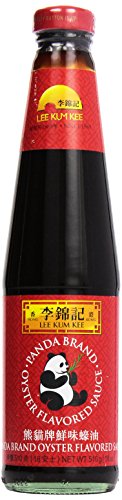
- 1.5 tablespoons Oyster Sauce
- ½ tablespoon Low Sodium Light Soy Sauce
- ½ teaspoon Thai Sweet Dark Soy Sauce (or use kecap manis – note 2)
- 1 teaspoon Distilled White Vinegar
- ½ teaspoon Toasted Sesame Oil
- ½ teaspoon Pure Chili Oil (without sediment – note 3)
Char Siu Pork Noodles Stir-fry:
- ⅓ medium / 80 grams Yellow Onion – finely chopped
- 2 medium stalks / 20 grams Spring Onion (Scallion/Green Onions) – white and light green parts finely chopped, dark green parts chopped into 1.5-inch pieces
- 4–5 cloves / 20 grams Garlic – roughly chopped
- 2–7 pieces / 6-20 grams fresh Red Chilies (optional, to taste – I used Thai Bird’s Eye red chilies but any variety will work, omit for milder dish – note 4*) – chopped
- 1 small / 80-100 grams Carrot – sliced into 1.5-inches long by ½-inch diameter pieces (about 1 cup)
- 2 cups / 180-200 grams Chinese Cabbage (Napa Cabbage) – cut into large chunks, rinsed, dried
- 11.3 ounces (2 packs) / 320 grams fresh Ramen Noodles (or udon noodles, I used vacuum sealed packs of precooked ramen – note 5)
- 1 tablespoon Peanut Oil (or any other cooking oil with a high smoke point)
- ⅛ teaspoon Ground White Pepper
Instructions
Prep:
- Marinate the pork: Add the ground pork and char siu sauce to a medium bowl and mix until combined well.
- Make the sauce: Make the sauce: Whisk together the oyster sauce, low sodium light soy sauce, sweet dark soy sauce, vinegar, sesame oil and chili oil in a small bowl or measuring cup (for easier pouring) until combined well.
- Prepare all the fresh ingredients: Prepare the yellow onion, spring onion, garlic, fresh red chilies (if using), carrot, and Chinese as indicated in the ‘ingredients’ section.
Char Siu Pork Noodles Stir-fry:
- Prepare the noodles: Bring a small pot of water to a boil. Lower the heat to medium-low and place the ramen noodle cakes in the pot. Use tongs to hold onto the noodle cakes, one at a time, and gently shake until the strands have separated and are tender – about 1-2 minutes. Drain and run cold water on the noodles to prevent sticking and halt the cooking process. (If using frozen or dried ramen or udon noodles, prepare according to package instructions.)
- Cook the pork: Heat 1 tablespoon of peanut oil in a large nonstick wok or deep edged skillet/sauté pan over high heat. Add the marinated pork and spread out and flatten. Allow to sear for 1.5-2 minutes, until the meat juices evaporate and the pork starts to char and caramelize. Then flip and sear the other side for a minute. Break unto chunks and toss around.
- Add the onions and aromatics: Add the yellow onion and spring onion white and light green parts and stir-fry for 30 seconds. Add the garlic and red chilies and stir-fry for another 30 seconds until fragrant.
- Add the veggies: Add the carrots and stir-fry for 30 seconds, then add the cabbage and stir-fry for 40 seconds until the vegetables are just starting to become tender but it still retain some crunch.
- Add the noodles and sauce: Add the cooked noodles and pour the stir-fry sauce on top. Use tongs and a spatula to toss until everything is evenly coated in the sauce – 1-2 minutes.
- Season and toss through spring onion: Season with ground white pepper and toss through most of the spring onion dark green parts – 20 seconds. Switch off the heat.
- Serve: Divide evenly on plates or in bowls. Garnish with the reserved chopped spring onion dark green parts and serve immediately.

Notes
- Char Siu Sauce. Char Siu Sauce is a Cantonese style BBQ sauce and the Lee Kum Kee brand one is the most widely available. You can find it in jars at Asian supermarkets, online on Amazon, and the Asian aisle of a regular supermarket that is well stocked with international ingredients.
- Thai Sweet Dark Soy Sauce. This is a thick, viscous dark soy sauce which is less salty than light sauce. It is sweet due to addition of molasses. If unavailable, use kecap manis – an Indonesian dark sweet soy sauce that is used commonly in dishes like Nasi Goreng. Or use Chinese dark soy sauce and add ¼ teaspoon of white sugar.
- Pure Chili Oil. This is a chili oil without seeds or flakes (sediment). It’s is made from hot red chilies and vegetable oil. Substitute with chili oil with sediment if desired. You may want to use less fresh red chilies depending on how spicy your chili oil is.
- Fresh Red Chilies. Use any variety that are easily available to you. Use less or omit completely if you prefer this dish to be milder.
- Ramen Noodles. I used vacuum sealed packs of precooked ramen noodles but you can use fresh ramen if it’s easily available to you. You could also use frozen ramen (or udon noodles) instead. Prepare according to package instructions before using in this recipe. If using dried ramen noodles, discard the seasoning packets. Note that dried ramen noodles don’t have the same chewy and bouncy texture as fresh, frozen or vacuum sealed packs of noodles but they will work in a pinch. Other good noodle options are lo mein, hokkien noodles, egg noodles, and yakisoba noodles.
- Storing and reheating. Leftovers can be stored in an airtight sealed container in the fridge 3-4 days. Reheat on high in the microwave for 2-3 minutes, stirring halfway through, until hot throughout.
- Gluten-free. Use gluten-free noodles or pasta of choice, a gluten-free soy sauce (coconut aminos or tamari), a gluten-free oyster sauce and Lee Kum Kee gluten-free char siu sauce. Add ½ teaspoon sugar to the stir-fry sauce if you cannot find a gluten-free sweet dark soy sauce.
- See the ‘Variations’ section in the post above to customize for other special dietary needs and flavor/preference customization tips.
- Recipe adapted from Marion’s Kitchen.
Nutrition
- Serving Size: 1/2 of recipe
- Calories: 672
- Sugar: 19g
- Sodium: 1748.7mg
- Fat: 23g
- Saturated Fat: 5.2g
- Unsaturated Fat: 16.4g
- Trans Fat: 1.3g
- Carbohydrates: 81.5g
- Fiber: 6.6g
- Protein: 37.9g
- Cholesterol: 80.4mg
Find it online: https://thatspicychick.com/easy-char-siu-pork-noodles/


