Easy Char Siu Pork Noodles
This post contains affiliate links.
Perfectly seared char siu ground pork, crunchy vegetables, fragrant aromatics and noodles get wok-tossed in a tantalizing savory-sweet sauce with a kick of heat in this Easy Char Siu Pork Noodles dish! Ready in 30 minutes, it’s perfect for busy weeknights and SO delicious!

Looking for more easy noodle stir-fry recipes? Try my Hoisin Chicken Noodles, this Garlic Shrimp Noodles, or Spicy Pork Knife Cut Noodles next!
About This Recipe
Let’s make char siu pork noodles, but let’s make it easy and without the long marinating and roasting fuss. This Easy Char Siu Pork Noodles stir-fry has quickly become one of my go-to favorite weeknight noodles dish!
We have here char siu sauce marinated ground pork that is seared to perfection, crunchy veggies like carrots, cabbage and onion, fragrant garlic and spicy hot red chilies, spring onion and ramen noodles. Everything gets tossed in a hot wok with a mouthwatering stir-fry sauce to deliver BIG flavors and incredible textures!
Instead of completely breaking up the ground pork, I break it up into large chunky pieces. This way the seared pork tastes meaty, juicy, and like you have chunks of char siu pork in the midst of this tantalizing savory-sweet noodles stir-fry!
This easy shortcut char siu pork with noodles recipe is ready in 30 minutes and perfect for busy weeknights! Grab your wok and let’s make it for dinner tonight!
Table of contents
Why This Recipe Works
- Quick and easy! This simple meal comes together in just 30 minutes!
- DELICIOUS easy char siu pork vibes! Marinating the pork with char siu sauce and wok searing until browned and just starting to char gives delicious Cantonese char siu pork (BBQ pork) flavor. Breaking into chunks instead of small pieces once seared makes it feel like there juicy char siu pork patties in the noodles.
- High protein. Lean ground pork paired with filling wheat-based ramen noodles makes this a high protein and satisfying meal with 37.9 grams of protein in each serving!
- Customizable. It’s customizable with your favorite ground meat such as chicken, beef or turkey and stir-fry friendly veggies. It’s also gluten-free and vegetarian adaptable!
- DELICIOUS! Chewy ramen noodles, sticky and sweet shortcut juicy char siu pork, and an irresistible sauce coating everything! This is a flavor BOMB of a dish!

Ingredient Notes and Substitutes

- Lean Ground Pork: Anywhere from 5% to 16% fat works. I’ve used minced pork leg (ham), a lean cut of meat, from the supermarket here.
- Char Siu Sauce: A sticky, Cantonese style BBQ sauce with sweet and savory flavors and a hint of spice from five spice powder. Lee Kum Kee Char Siu Sauce is the most widely available. You can find it in jars at Asian supermarkets, online on Amazon, and the Asian aisle of a regular supermarket that is well stocked with international ingredients.
- Aromatics: Garlic, fresh red chilies and spring onion (scallion/green onions). I’ve used Thai Bird’s Eye chilies which are quite spicy but any variety will work. Use less or more based on your spice level preference or leave them out for a milder dish.
- Carrot: Slice into chunky pieces so that they retain a slight crunch after cooking.
- Chinese Cabbage (Napa Cabbage): This can be found in the produce section of most supermarkets, as well as in wet markets in Asia. Regular cabbage will work but you may need to add sugar since Chinese cabbage has a sweeter flavor than its Western counterpart.
- Ramen Noodles: I used vacuum sealed packs of precooked ramen noodles. They’re great to have on hand in my pantry, have a long shelf life, and perfect for anytime you want to make a quick noodles dish! Fresh ramen noodles or frozen ramen (or udon noodles) can be used if they’re easily available to you. Prepare frozen noodles according to packet instructions before using in this recipe. If using dried ramen noodles, discard the seasoning packets. Note that dried ramen noodles don’t have the same chewy and bouncy texture as fresh, frozen or vacuum sealed packs of noodles but they will work if you’re in a pinch.
- Ground White Pepper. Substitute with black pepper if unavailable.
- Peanut Oil: Or use any neutral cooking oil with a high smoke point. Canola oil, vegetable oil, rice bran oil, avocado oil, etc. are all great options for Asian high heat cooking.

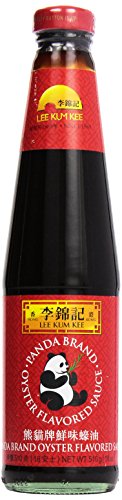
- Oyster Sauce: An Asian pantry staple with a savory-sweet flavor and thick, sticky texture. It’s available in most mainstream supermarkets in the Asian aisle. You can also find it in an Asian or Chinese supermarket or order it online from Amazon.
- Low Sodium Light Soy Sauce: Low sodium so that we can control the salt level better. If substituting regular light soy sauce, use a little less than specified and substitute the rest of the amount with water.
- Thai Sweet Dark Soy Sauce: This is a thick, viscous dark soy sauce which sweet due to addition of molasses. If unavailable, use kecap manis – an Indonesian dark sweet soy sauce that is used commonly in dishes like Nasi Goreng. Or substitute with Chinese dark soy sauce and add ¼ teaspoon of white sugar.
- Distilled White Vinegar: Adds a hint of tang to balance the sweet-savory flavors of the char siu pork.
- Toasted Sesame Oil: For fragrant toasted sesame aromas!
- Pure Chili Oil: A chili oil without seeds or flakes (sediment). It’s made from hot red chilies and vegetable oil. Feel free to use a chili oil with sediment if you like.
Full ingredient list and amounts are in the recipe card below.
Keep in Touch!
Subscribe to get new posts via email:
How to Make Shortcut Char Siu Pork Noodles
Below is a step-by-step overview on how to make this recipe. Keep scrolling down to get to the recipe card below with the full recipe and detailed instructions!
Prep the ingredients. Mix the ground pork and char siu sauce in a bowl. While the pork is marinating, whisk together the ingredients for the stir-fry sauce and chop up your aromatics and veggies.


Serving Suggestions
- Dumplings: You could serve these noodles with some steamed veggie dumplings or pan-fried gyozas.
- Egg: Top with a fried egg for more protein.
- Chili oil. If you like it spicy, drizzle some chili crisp or chili crunch on top!
Storing and Reheating Leftovers
- Storing: Although these noodles taste best when eaten hot once cooked, you can store leftovers in a sealed airtight container in the fridge for 3-4 days.
- Reheating: Reheat on high in the microwave for 2-3 minutes, stirring once in between, until hot throughout.

Cook’s Tips
- Be careful not to burn the pork. While we want to sear it so that it gives real char siu vibes, don’t leave it to char too long. Since char siu sauce has honey, it can burn. Check if it has browned after a minute and half by lifting the pork from the edge. If it has, flip to sear the other side.
- Adjust the spice level to taste. Omit the fresh red chilies and chili oil or use less for a milder dish.
- Double the recipe. This recipe makes 2 servings for adults as written. It can easily be doubled to serve a family of 4 people or cooked for meal prep. I recommend using a large enough wok or heavy bottomed deep sauté pan if doubling the recipe. If your wok is on the smaller side, it’s best to cook in two batches. This way you won’t overcrowd the pan and the noodles and veggies won’t become mushy.
Variations
- Use char siu pork. Use store-bought char siu from a Chinese BBQ/roast meat shop (known as siu mei – 燒味) in Chinatown (if there’s one near you) or from a Chinese restaurant. Alternatively, you can use one of the many recipes online and make your own Chinese BBQ pork. Two char siu pork recipes I recommend are from Marion’s Kitchen and RecipeTin Eats.
- Gluten-free. Use gluten-free noodles or pasta of choice, a gluten-free soy sauce (coconut aminos or tamari), a gluten-free oyster sauce and Lee Kum Kee gluten-free char siu sauce. Add ½ teaspoon sugar to the stir-fry sauce if you cannot find a gluten-free sweet dark soy sauce.
- Vegetarian. Use a plant-based ground pork substitute such as OmniPork or crumbled firm tofu and a mushroom flavored vegetarian oyster sauce. For vegan, same as for making it vegetarian but you’ll need to use a vegan homemade char siu sauce without honey (use hoisin sauce instead). Full of Plants has a great vegan char siu sauce recipe.
- Use another ground meat. Lean ground chicken, turkey or beef would all work great.
- Use different veggies. Any stir-fry friendly veggies can be added to this easy char siu pork noodles stir-fry. Some great options are sliced zucchini, bell peppers (any color), edamame, bean sprouts, sliced shiitake mushrooms (or any other mushrooms), blanched broccoli florets, sugar snap peas, snow peas, Chinese broccoli, bok choy, choy sum, etc.
- Use different noodles. Udon noodles, chow mein noodles, lo mein noodles, fresh egg noodles, rice noodles, yakisoba noodles are all great options. You could also use shirataki noodles (made from konjac) or zucchini noodles for a low-carb option.

FAQs
Char siu pork originated in China’s Guangdong province during the Zhou dynasty. It is incredibly popular in Hong Kong and widely available n Cantonese barbecue (siu mei) shops. It’s also used in many Cantonese dishes such as dim sum, noodles and fried rice. Check out my XO Sauce Fried Rice in which I use sweet and sticky chunks of char siu pork!
In an authentic char siu marinade, fermented red bean curd or red yeast rice powder is used. However, home cooks and restaurants also use red food coloring sometimes to give the sauce and pork its signature red color. Lee Kum Kee Char Siu Sauce contains color E129 – Allura Red AC. It’s also known as FD&C Red 40.
Pork scotch fillet (pork neck) or pork butt (pork shoulder) are the best cuts due to even marbling and fat, which keeps the meat tender. Pork belly is another option for a richer flavor and tender texture. Pork tenderloin would be drier in texture due to being a very lean cut of meat.
You’d need to marinate the pork tenderloin and sear it on each side for 3-4 minutes until charred at the edges and just cooked. Alternatively, roast in the oven. Then slice into pieces to use in this char siu noodles recipe. Note that marinating longer will allow the char siu sauce flavors to better penetrate the meat. Pork tenderloin will be drier and less flavorful than if you were to use pork scotch fillet or pork butt.
“Pin It” for Later! Save ‘Easy Char Siu Pork Noodles’ to make later!

MADE THIS RECIPE? Please leave a comment and a ⭐️⭐️⭐️⭐️⭐️ star rating below and let me know how you liked it! You can also take a photo and tag it with @thatspicychick on Instagram and hashtag it #thatspicychick. I love seeing your creations!
STAY CONNECTED! You can also follow me on Pinterest, Facebook or Instagram.
Sign up for my email list to get my latest recipe in your inbox weekly!
Easy Char Siu Pork Noodles

Perfectly seared char siu ground pork, crunchy vegetables, fragrant aromatics and noodles get wok-tossed in a tantalizing savory-sweet sauce with a kick of heat in this Easy Char Siu Pork Noodles dish! Ready in under 30 minutes, it’s perfect for busy weeknights and SO delicious!
- Prep Time: 15
- Cook Time: 15
- Total Time: 30 minutes
- Yield: 2 1x
- Category: Noodles
- Method: Stir-fry
- Cuisine: Chinese
Ingredients
Char Siu Pork:
- 8.5 ounces / 240 grams Lean Ground Pork (pork mince)
- 1.5 tablespoons / 32 grams Lee Kum Kee Char Siu Sauce (note 1)
Sauce:
- 1.5 tablespoons Oyster Sauce
- ½ tablespoon Low Sodium Light Soy Sauce
- ½ teaspoon Thai Sweet Dark Soy Sauce (or use kecap manis – note 2)
- 1 teaspoon Distilled White Vinegar
- ½ teaspoon Toasted Sesame Oil
- ½ teaspoon Pure Chili Oil (without sediment – note 3)
Char Siu Pork Noodles Stir-fry:
- ⅓ medium / 80 grams Yellow Onion – finely chopped
- 2 medium stalks / 20 grams Spring Onion (Scallion/Green Onions) – white and light green parts finely chopped, dark green parts chopped into 1.5-inch pieces
- 4–5 cloves / 20 grams Garlic – roughly chopped
- 2–7 pieces / 6-20 grams fresh Red Chilies (optional, to taste – I used Thai Bird’s Eye red chilies but any variety will work, omit for milder dish – note 4*) – chopped
- 1 small / 80-100 grams Carrot – sliced into 1.5-inches long by ½-inch diameter pieces (about 1 cup)
- 2 cups / 180-200 grams Chinese Cabbage (Napa Cabbage) – cut into large chunks, rinsed, dried
- 11.3 ounces (2 packs) / 320 grams fresh Ramen Noodles (or udon noodles, I used vacuum sealed packs of precooked ramen – note 5)
- 1 tablespoon Peanut Oil (or any other cooking oil with a high smoke point)
- ⅛ teaspoon Ground White Pepper
Instructions
Prep:
- Marinate the pork: Add the ground pork and char siu sauce to a medium bowl and mix until combined well.
- Make the sauce: Make the sauce: Whisk together the oyster sauce, low sodium light soy sauce, sweet dark soy sauce, vinegar, sesame oil and chili oil in a small bowl or measuring cup (for easier pouring) until combined well.
- Prepare all the fresh ingredients: Prepare the yellow onion, spring onion, garlic, fresh red chilies (if using), carrot, and Chinese as indicated in the ‘ingredients’ section.
Char Siu Pork Noodles Stir-fry:
- Prepare the noodles: Bring a small pot of water to a boil. Lower the heat to medium-low and place the ramen noodle cakes in the pot. Use tongs to hold onto the noodle cakes, one at a time, and gently shake until the strands have separated and are tender – about 1-2 minutes. Drain and run cold water on the noodles to prevent sticking and halt the cooking process. (If using frozen or dried ramen or udon noodles, prepare according to package instructions.)
- Cook the pork: Heat 1 tablespoon of peanut oil in a large nonstick wok or deep edged skillet/sauté pan over high heat. Add the marinated pork and spread out and flatten. Allow to sear for 1.5-2 minutes, until the meat juices evaporate and the pork starts to char and caramelize. Then flip and sear the other side for a minute. Break unto chunks and toss around.
- Add the onions and aromatics: Add the yellow onion and spring onion white and light green parts and stir-fry for 30 seconds. Add the garlic and red chilies and stir-fry for another 30 seconds until fragrant.
- Add the veggies: Add the carrots and stir-fry for 30 seconds, then add the cabbage and stir-fry for 40 seconds until the vegetables are just starting to become tender but it still retain some crunch.
- Add the noodles and sauce: Add the cooked noodles and pour the stir-fry sauce on top. Use tongs and a spatula to toss until everything is evenly coated in the sauce – 1-2 minutes.
- Season and toss through spring onion: Season with ground white pepper and toss through most of the spring onion dark green parts – 20 seconds. Switch off the heat.
- Serve: Divide evenly on plates or in bowls. Garnish with the reserved chopped spring onion dark green parts and serve immediately.


Notes
- Char Siu Sauce. Char Siu Sauce is a Cantonese style BBQ sauce and the Lee Kum Kee brand one is the most widely available. You can find it in jars at Asian supermarkets, online on Amazon, and the Asian aisle of a regular supermarket that is well stocked with international ingredients.
- Thai Sweet Dark Soy Sauce. This is a thick, viscous dark soy sauce which is less salty than light sauce. It is sweet due to addition of molasses. If unavailable, use kecap manis – an Indonesian dark sweet soy sauce that is used commonly in dishes like Nasi Goreng. Or use Chinese dark soy sauce and add ¼ teaspoon of white sugar.
- Pure Chili Oil. This is a chili oil without seeds or flakes (sediment). It’s is made from hot red chilies and vegetable oil. Substitute with chili oil with sediment if desired. You may want to use less fresh red chilies depending on how spicy your chili oil is.
- Fresh Red Chilies. Use any variety that are easily available to you. Use less or omit completely if you prefer this dish to be milder.
- Ramen Noodles. I used vacuum sealed packs of precooked ramen noodles but you can use fresh ramen if it’s easily available to you. You could also use frozen ramen (or udon noodles) instead. Prepare according to package instructions before using in this recipe. If using dried ramen noodles, discard the seasoning packets. Note that dried ramen noodles don’t have the same chewy and bouncy texture as fresh, frozen or vacuum sealed packs of noodles but they will work in a pinch. Other good noodle options are lo mein, hokkien noodles, egg noodles, and yakisoba noodles.
- Storing and reheating. Leftovers can be stored in an airtight sealed container in the fridge 3-4 days. Reheat on high in the microwave for 2-3 minutes, stirring halfway through, until hot throughout.
- Gluten-free. Use gluten-free noodles or pasta of choice, a gluten-free soy sauce (coconut aminos or tamari), a gluten-free oyster sauce and Lee Kum Kee gluten-free char siu sauce. Add ½ teaspoon sugar to the stir-fry sauce if you cannot find a gluten-free sweet dark soy sauce.
- See the ‘Variations’ section in the post above to customize for other special dietary needs and flavor/preference customization tips.
- Recipe adapted from Marion’s Kitchen.
Nutrition
- Serving Size: 1/2 of recipe
- Calories: 672
- Sugar: 19g
- Sodium: 1748.7mg
- Fat: 23g
- Saturated Fat: 5.2g
- Unsaturated Fat: 16.4g
- Trans Fat: 1.3g
- Carbohydrates: 81.5g
- Fiber: 6.6g
- Protein: 37.9g
- Cholesterol: 80.4mg
This post may contain affiliate links. We are a part of the Amazon Services LLC Associates Program, an affiliate advertising program designed to provide a means for us to earn a small commission (at no extra cost to you) by linking to Amazon.com and affiliated sites. The nutritional information provided is approximate and can vary based on several factors. It should only be used as a general guideline. For more information, please see our Disclosure.