 Buy Now →
 Hoisin Chicken Noodles

Sticky, savory-sweet, spicy and DELICIOUS! This Hoisin Chicken Noodles dish is incredibly flavorful and easy to make!
- Prep Time: 15
- Cook Time: 10
- Total Time: 25 minutes
- Yield: 2 1x
- Category: Dinner
- Method: Stir-fry
- Cuisine: Asian-inspired
Ingredients
Scale
Chicken Marinade:
- 9.2 ounces / 260 grams Chicken Breast, boneless, skinless – thinly sliced into bite-sized pieces
- ¼ TSP ground White Pepper
- 1 TSP Low Sodium Light Soy Sauce
- 1 TSP Shao Xing Rice Wine (note 1)
- 1 TSP Potato Starch (or use Corn Starch)
- ½ TSP Toasted Sesame Oil
- 1 TSP Peanut Oil, for cooking (or any other neutral oil with a high smoke point)
Stir Fry Sauce:
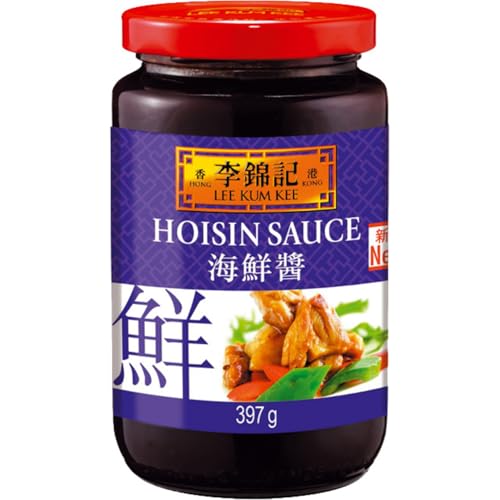
- 2 TBSP / 36 grams Hoisin Sauce (I used Lee Kum Kee brand – note 2)
- 1 TBSP / 15ml Shao Xing Rice Wine
- 2 TSP /10ml Low Sodium Light Soy Sauce
- 2 TSP / 10ml Chinkiang Vinegar (note 3)
- 1 TSP / 5ml Toasted Sesame Oil
- 1 TSP / 5ml Pure Chili Oil (optional – omit for milder dish, without sediment)
- 1.5 TBSP / 23ml Water
Hoisin Chicken Noodles Stir Fry:
- ½ medium / 100 grams Yellow Onion – sliced into ½-inch wide strips, then sliced in half
- 4-5 cloves / 25 grams Garlic – minced
- 1 TBSP / 12 grams minced Ginger
- 8-10 / 35 grams fresh Red Chilies (optional, I used Thai Bird’s Eye red chilies but any variety can be used, omit for milder dish – note 4*)
- 3-4 pieces / 120 grams Chinese Broccoli (‘gai lan’, substitute with bok choy, choy sum, other Asian leafy greens or tenderstem broccoli, etc.) – stems peeled and sliced at an angle, leafy green parts cut into rough chunks
- ≈ 3 TBSP / 10 grams Spring Onion (Scallion/Green Onion, dark green parts only) – finely chopped
- 11.3 ounces (2 packs) / 320 grams / Ramen Noodles (or Udon noodles, I used vacuum sealed packs of precooked ramen – note 5)
1 TBSP Peanut Oil, for cooking - 1 TBSP / 18 grams Dou Ban Jiang (Chili Bean Paste, substitute with Sriracha or other chili sauce – note 6)
- To Garnish: reserved chopped Spring Onion, toasted sesame seeds (optional)
Instructions
Prep:
- Marinate the chicken: Thinly slice the chicken breasts into bite-sized pieces and add to a medium bowl. Add the white pepper, low sodium light soy sauce, Shao Xing cooking wine, potato starch and sesame oil. Mix well to coat, set aside.
- Make the sauce: Whisk together the hoisin sauce, low sodium light soy sauce, Shao Xing cooking wine, chinkiang vinegar, sesame oil, chili oil and water in a small measuring cup (for easier pouring) or bowl.
- Prepare all the fresh ingredients: Prepare the yellow onion, garlic, ginger, fresh red chilies, Chinese broccoli and spring onion as indicated in the ‘ingredients’ section.
Hoisin Chicken Noodles Stir Fry:
- Prepare the noodles: Bring a small pot of water to a boil. Lower the heat to medium-low and place the ramen noodle cakes in the pot. Use tongs to hold onto the noodle cakes, one by one, and gently shake until the strands have separated and are tender – about 1-2 minutes. Drain and run cold water on the noodles to prevent sticking and halt the cooking process. (If using frozen or dried ramen or udon noodles, prepare according to package instructions.)
- Cook the chicken: Heat 1 teaspoon peanut oil in a large nonstick wok (or heavy bottomed deep skillet) over high heat. Add the marinated chicken and immediately spread the pieces out in the wok. Allow to sear for 30-40 seconds, then flip the pieces and sear the other side for another 30 seconds. Stir-fry for a minute or until just cooked. Transfer to a clean bowl and set aside.
- Sauté the onion: Heat the remaining 1 tablespoon of peanut oil in the wok over medium-high heat. Add the yellow onion and dou ban jiang and sauté for 20-30 seconds or until the onion is shimmering.
- Add the aromatics: Add the garlic, ginger and chilies and stir-fry for 20-30 seconds until fragrant.
- Cook the veggies: Add the Chinese broccoli and stir-fry until the dark leafy green parts begin to wilt.
- Add the noodles, chicken and sauce: Add the noodles and cooked chicken. Give the stir fry sauce a good stir with a spoon and pour over everything. Stir-fry and toss to combine until everything is evenly coated in the sauce and it thickens slightly.
- Toss through the spring onion. Toss through most of the spring onion dark green parts (reserve some for garnish). Switch off the heat.
- To Serve: Divide evenly onto plates or in bowls or transfer to a serving dish. Garnish with the reserved spring onion and serve immediately.


Notes
- Shao Xing Rice Wine (Chinese cooking wine). This is a Chinese cooking wine with a floral aroma. It’s commonly used in marinades and stir-fry sauces. Some mainstream supermarkets will have it, but otherwise you can find it an Asian or Chinese supermarket or order it online. Substitute with dry sherry or chicken stock if unavailable.
- Hoisin Sauce. This is a dark brown thick and sticky sauce with a reddish tint that is savory-sweet and full of umami. It’s made with fermented soybeans, spices, garlic, salted red chili peppers, dried sweet potatoes and sugar. I use Lee Kum Kee brand, but any good quality hoisin sauce will work. You can find it in the Asian food aisle of mainstream supermarkets or an Asian or Chinese supermarket.
- Chinkiang Vinegar (Chinese black vinegar). Find it at an Asian or Chinese supermarket or purchase it online. Use half balsamic and half distilled white vinegar if unavailable.
- Fresh Red Chilies. Use less or more fresh red chilies based on your heat level preference or omit completely for a milder noodles dish.
- Ramen Noodles. I used vacuum sealed packs of precooked ramen noodles but you can use fresh ramen if it’s easily available to you. You could also use frozen or vacuum sealed packs of fresh cooked udon noodles instead. I don’t recommend dried ramen or udon noodles as the texture will be completely different. Dried noodles won’t have the same chewy and bouncy texture as fresh, frozen or vacuum sealed packs of noodles.
- Sichuan Pixian Dou Ban Jiang (Chili Bean Paste). This is a spicy chili paste/sauce that’s made with fermented broad beans, soybeans, chili peppers, salt and flour. Although Lee Kum Kee brand does have a chili bean paste, I highly recommend using a Sichuan Pixian dou ban jiang from Chengdu, China. You can order it online (easiest way) and possibly find it in some Asian or Chinese supermarkets. If using Lee Kum Kee chili bean paste, adjust the quantity to taste. It is sweeter and has several other additional ingredients that Sichuan Pixian dou ban jiang doesn’t. Alternatively, substitute with any type of chili sauce or paste such as sriracha and add it to the stir fry sauce instead.
- Storing and reheating leftovers. Store leftovers in an airtight sealed container in the fridge for up to 3-4 days. Reheat in the microwave on high for 2-3 minutes, stirring halfway in between, until hot throughout.
- See the ‘Variations’ section in the post above if you’d like to customize this recipe with ingredients substitutes and tips on making it for any dietary preferences or restrictions.
Nutrition
- Serving Size: 1/2 of recipe
- Calories: 674
- Sugar: 4.6g
- Sodium: 1759.9mg
- Fat: 20g
- Saturated Fat: 3g
- Unsaturated Fat: 15.6g
- Trans Fat: 1.4g
- Carbohydrates: 78.8g
- Fiber: 14.3g
- Protein: 43.1g
- Cholesterol: 94.9mg
Find it online: https://thatspicychick.com/hoisin-chicken-noodles/


