Creamy Gochujang Pasta with Shrimp
This post contains affiliate links.
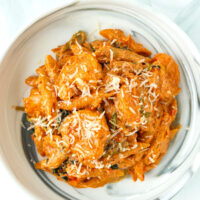
Creamy Gochujang Pasta with Shrimp is quick and easy to make in under 30 minutes and incredibly satisfying! Juicy seared shrimp, al-dente rigatoni pasta, fragrant aromatics and a lightened-up spicy and bold flavored creamy gochujang sauce come together in this Italian and Korean fusion pasta dish!
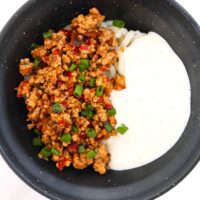
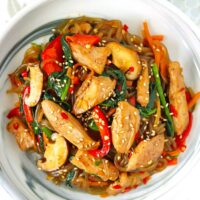
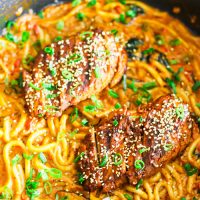
Love the flavors in this Korean-style pasta? Try my Creamy Spicy Korean Udon Noodles with Bulgogi Chicken and Stir-fried Kimchi Chicken Noodles next.

Spicy, smoky, savory and wonderfully creamy, this Creamy Gochujang Pasta with Shrimp is a perfect marriage of Italian and Korean cuisines to create a delicious and luxurious pasta dish!
The combination of spicy gochujang, a fermented Korean chili paste that adds depth of flavor, with cream sauce ingredients like milk, parmesan cheese and butter creates a complex and satisfying flavor profile that is both spicy and rich.
My version of this dish is made with a lightened-up cream sauce instead of heavy cream, making it slightly healthier than the popular TikTok creamy gochujang pasta.
Feel free to use as much or as little gochujang as you like based on your desired heat level. This dish will taste delicious whether you make it extra spicy, medium hot or on the milder side. I think you’re going to love it!
Table of contents
Why This Recipe Works
- Quick and easy. This dish calls for simple ingredients and is ready under 30 minutes, making it perfect for busy weeknights!
- Incredible flavors and texture. It’s full of smoky, savory, slightly sweet and spicy flavors and LOADED with umami! The thick, al-dente rigatoni pasta pairs well with the luscious creamy sauce.
- Customizable. You can customize it with your favorite protein (shrimp, tofu, chicken) and make it vegetarian, vegan and/or gluten-free.
- Lighter cream sauce. Made without heavy cream or coconut milk, this is a lighter version of the popular TikTok gochujang pasta.
- Asian-style comfort food at its best! This hearty pasta dish that combines Korean and Italian flavors is so delicious and addictive that you’ll be making it over and over again!

Ingredient Notes and Substitutes

- Shrimp (or prawns): I used peeled and deveined jumbo shrimp (size 16/20). While smaller sized shrimp work too, large sized shrimp are more succulent and aren’t as easy overcook.
- Shrimp seasonings: While cooking the shrimp, I seasoned them with kosher salt (use half the amount if using iodized table salt), black pepper and Herbs de Provence. You could also use Italian seasoning for the shrimp instead. I personally prefer the flavors of rosemary and marjoram that the Herbs de Provence adds.
- Unsalted Butter and Olive Oil: To cook the shrimp and extra butter to cook the rest of the gochujang pasta dish.
- Aromatics: We have fresh garlic and hot red chilies. I used Thai Bird’s Eye red chilies but you can use any variety that is easily available to you. Omit or use less if you are sensitive to heat and prefer less spice.
- Veggies: Yellow onion, champignon mushrooms and baby spinach. Feel free to use red onion or shallots and any variety of mushrooms like white button mushrooms, shiitake mushrooms, cremini, etc. Baby kale can be substituted for baby spinach.
- Rigatoni Pasta: I love the thick, tubular shape of rigatoni pasta with the creamy gochujang sauce but any pasta you have on hand will work.
- Cream Sauce ingredients: Along with the unsalted butter, we’ll use all-purpose flour and whole milk to build our cream sauce.
- Gochujang: Gochujang is a fermented Korean chili pepper paste that comes in small tubs or jars. Although deep dark red in color, it’s not extremely spicy. It has a spicy-sweet and smoky flavor profile.
- Gochugaru: A Korean hot red pepper powder or chili powder. Spice level varies depending on the brand so adjust the amount you use to taste. Substitute with crushed red pepper flakes or any type of medium-hot chili powder. Both gochujang and gochugaru are available in Korean and Asian supermarkets, mainstream supermarkets and online.
- Low Sodium Light Soy Sauce: A splash to add savory umami notes. Low sodium is preferred since gochujang is quite salty.
- Seasonings: Kosher salt, black pepper and dried thyme for a hint of lemony flavor.
- Parmigiano Reggiano Cheese (or parmesan cheese): I highly recommend buying a block of cheese at the store and grating it at home yourself. It will melt better and more evenly into the sauce since it won’t have any of the preservatives or anti-caking agents the bags of pre-shredded cheese at the store do. Pecorino Romano cheese is another great option.
- To Serve: Chopped fresh basil, green onions (scallion/spring onion), parsley, or cilantro (coriander).
Full ingredient list and amounts are in the recipe card below.
Keep in Touch!
Subscribe to get new posts via email:
How to Make Creamy Gochujang Pasta
Below is a visual overview on how to make this recipe. The full recipe with detailed instructions can be found in the recipe card below.


10. Serve! Divide evenly onto plates or in bowls. Garnish with chopped basil or other fresh herbs of choice and enjoy!
Serving Suggestions
With carbohydrates, protein and veggies, this creamy gochujang pasta with shrimp is a complete meal on its own. However, you can serve it with a simple side salad or garlic bread to mop up the delicious creamy gochujang pasta sauce!
Storing and Reheating Leftovers
Leftovers will keep in the fridge for 2-3 days. Reheat on high in the microwave for 2 minutes, stirring halfway in between, until hot throughout. I recommend garnishing with basil after reheating as it can blacken and turn bitter in the microwave when exposed to heat for an extended period.
Cook’s Tips
- Adjust spice level to taste. You can omit the red chili peppers and/or use less less gochujang to make this dish milder. In addition, you can add the gochujang when sautéing the aromatics. Toasting the gochujang in oil lessens the spice level as opposed to adding it to the cream sauce.
- Double the recipe. This recipe serves 2-3 people. If feeding more people, simply double the recipe ingredients and cook in a larger deep edged skillet/pan.
- Adjust sauce consistency. If the sauce thickens too much after mixing in the cooked shrimp and pasta, add a small splash of reserved pasta cooking water to loosen it. Note that this dish is meant to be slightly saucy.

Variations
- Use a different pasta type. Other great pasta options for this creamy gochujang pasta recipe include orecchiette, mezze paccheri, spaghetti, fettuccine and orzo.
- Make it gluten-free. Use a gluten-free gochujang like Wholly Gochujang, gluten-free soy sauce (low sodium preferred), tamari or coconut aminos, and a gluten-free pasta.
- Use a different protein. Italian sausage, boneless skinless chicken thighs, ground chicken, ground turkey or beef would taste delicious!
- Use shredded chicken. Shredded leftover cooked chicken or store-bought rotisserie chicken can be tossed in instead of shrimp when adding the pasta.
- Make it vegetarian. Switch out the shrimp for a plant-based protein, pan-fried tofu or tempeh.
- Make it vegan. Use a plant-based milk like coconut milk, vegan butter and vegan parmesan cheese. Replace the shrimp with these moreish crispy pan-fried tofu cubes or tempeh.
- Add more/other veggies. Baby kale instead of baby spinach, peas, sautéed asparagus or diced carrots, blanched broccoli florets would be tasty additions.
- Use noodles. Ramen, thin dried rice noodles like the ones used in pad thai or udon noodles would taste lovely in the creamy gochujang pasta sauce. If you’re a udon noodles lover, check out my Creamy Spicy Korean Udon Noodles with Bulgogi Chicken!
FAQs
Yes, the gochujang does thicken the cream sauce but additional flour is also needed to thicken the sauce since no heavy cream is used in this dish.
Yes, add ⅓ to ½ cup (79ml to 118ml) of heavy cream if you prefer a richer creamy gochujang sauce.
Yes, substitute the whole milk with coconut milk if desired. The flavor will be different with a slight nutty sweetness. Nonetheless, it will still taste delicious!

MADE THIS RECIPE? Please leave a comment and a ⭐️⭐️⭐️⭐️⭐️ star rating below and let me know how you liked it! You can also take a photo and tag it with @thatspicychick on Instagram and hashtag it #thatspicychick. I love seeing your creations!
STAY CONNECTED! You can also follow me on Pinterest, Facebook or Instagram.
Sign up for my email list to get my latest recipe in your inbox weekly!
More Korean-Inspired Recipes
Creamy Gochujang Pasta with Shrimp

Creamy Gochujang Pasta with Shrimp is quick and easy to make in under 30 minutes and incredibly satisfying! Juicy seared shrimp, al-dente rigatoni pasta, fragrant aromatics and a lightened-up spicy and bold flavored creamy gochujang sauce come together in this Italian and Korean fusion pasta dish!
- Prep Time: 10
- Cook Time: 15
- Total Time: 25 minutes
- Yield: 2-3 1x
- Category: Dinner
- Method: Sauté
- Cuisine: Korean-inspired
Ingredients
Shrimp:
- 10 pieces / 300 grams peeled and deveined Jumbo Shrimp (frozen weight) – thawed
- ¼ TSP Kosher Salt
- ¼ TSP freshly cracked Black Pepper
- ¼ TSP Herbs de Provence
- ½ TBSP Unsalted Butter
- ½ TBSP Olive Oil
Creamy Gochujang Pasta:
- ¼ medium / 50 grams Yellow Onion – finely chopped
- 2–3 cloves / 15 grams Garlic – minced
- 20 grams Fresh Red Chilies (such as Thai Bird’s Eye red chilies, optional, to taste*– note 1) – finely chopped
- 2 medium pieces / 60 grams Champignon Mushrooms (or any white or brown mushrooms) – sliced
- 5.3 ounces / 150 grams dried uncooked Rigatoni Pasta (or use any pasta shape you like – note 2)
- ½ TBSP Unsalted Butter
- 1 TBSP All-Purpose Flour
- 1 cup / 240ml Whole Milk
- 2–3 TBSP / 45 grams Gochujang (adjust to taste – note 3)
- ½ TBSP Low Sodium Light Soy Sauce
- ½ TSP Gochugaru (Korean chili powder, substitute with crushed red pepper flakes – note 4)
- ⅛ TSP freshly cracked Black Pepper, to taste
- ¼ TSP Kosher Salt, divided
- ¼ TSP Dried Thyme
- ≈ ¼ cup / 25 grams freshly grated Parmigiano Reggiano Cheese (or parmesan)
- 2 cups / 66 grams Baby Spinach
- To Serve: Chopped fresh basil, green onions (scallion/spring onion), parsley, or cilantro (coriander)
Instructions
Prep:
- Prepare the shrimp: Thaw the frozen shrimp and rinse thoroughly. Pat-dry and set aside.
- Prepare the fresh ingredients: Prepare (chop/slice) the yellow onion, garlic, fresh red chilies and mushrooms as indicated in the ‘ingredients’ section.
Creamy Gochujang Pasta:
- Cook the pasta: Cook the pasta 1 minute shy of al-dente according to package instructions in a large pot of boiling salted water. (Or use the same medium-sized deep sauté pan you’ll use to make the pasta dish). Reserve ¼ cup of pasta cooking water, then drain and set aside. (I like to run water cold water over the pasta to prevent it from sticking and cooking further but this is optional.)
- Sear the shrimp: Heat ½ tablespoon unsalted butter and ½ tablespoon olive oil in a medium-sized deep sauté pan over medium-high heat. Add the shrimp and spread the pieces out in the pan. Season with half of the kosher salt, black pepper and Herbs de Provence. Allow to sear for 1 minute, then flip and season the other side with the remaining seasonings. Sear for another 1-2 minutes or until just cooked. Transfer to a clean bowl, leaving most of the oil and butter behind in the pan.
- Sauté the aromatics: Heat the remaining ½ tablespoon of unsalted butter in the same pan over medium-high heat. Once frothing, add the yellow onion, garlic and fresh red chilies. Sauté until the onion starts to soften and the garlic and chilies are fragrant.
- Add the mushrooms: Add the sliced mushrooms and season with ⅛ teaspoon kosher salt. Sauté for 1-2 minutes or until softened. If the pan looks too dry, add a splash of pasta cooking water if needed.
- Build the creamy gochujang sauce: Add the all-purpose flour and whisk for 1-2 minutes to combine and get rid of the floury taste. Then lower the heat and gradually pour in the milk while continuing to whisk.
- Season: Add the gochujang, low sodium light soy sauce, gochugaru, remaining ⅛ teaspoon kosher salt, black pepper, and dried thyme. Mix well until combined.
- Add the cheese: Stir in the freshly grated Parmigiano Reggiano cheese until fully melted. The sauce will start to thicken.
- Mix in the baby spinach. Add the baby spinach and mix for 1 minute or until just wilted.
- Add the cooked pasta and shrimp. Add the cooked rigatoni pasta and shrimp back into the pan. Mix until everything is evenly coated in the sauce. If the sauce thickens too much, add ½ to 1 tablespoon of pasta cooking water to loosen it or more until your desired consistency is achieved.
- To Serve: Divide evenly onto plates or in bowls. Garnish with chopped basil or other fresh herbs of choice. Serve immediately.


Notes
- Fresh red chilies and heat level: Omit or reduce the quantity based on your heat level preference. Gochujang and gochugaru will add a good amount of heat to this dish. The chilies are a tasty addition if you are a fan of spicy and hot food.
- Gochujang. This is a fermented Korean chili pepper paste that comes in small tubs or jars. Although it has a deep dark red color, it’s not extremely spicy. It has a spicy-sweet and smoky flavor profile with a slight kick of spice. Feel free to use less if you are extra sensitive to spicy food. You can find gochujang in Korean and Asian supermarkets, mainstream supermarkets, or purchase it online.
- Gochugaru. Gochugaru is a Korean hot red pepper powder or chili powder. It comes in varying heat levels depending on the brand. Adjust the quantity you use to taste. Substitute with crushed red pepper flakes or any type of medium-hot chili powder. You can find it in Korean and Asian supermarkets, some mainstream supermarkets, and online.
- Rigatoni pasta: Other great pasta options for this recipe include orecchiette, mezze paccheri, spaghetti, fettuccine and orzo.
- Storing and reheating leftovers. Leftovers will keep in the fridge for 2-3 days. Reheat on high in the microwave for 2 minutes, stirring halfway in between, until hot throughout. I recommend garnishing with basil after reheating as it can blacken and turn bitter in the microwave when exposed to heat for an extended period.
- Nutritional information provided is approximate and will vary with any ingredient substitutions.
- See the ‘Variations’ section in the post above if you’d like to customize this dish for specific dietary needs or use a different protein, veggies, etc.
Nutrition
- Serving Size: 1/2 of recipe
- Calories: 705
- Sugar: 17.1g
- Sodium: 1244.7mg
- Fat: 20.6g
- Saturated Fat: 15.9g
- Unsaturated Fat: 4g
- Trans Fat: 0.5g
- Carbohydrates: 80.1g
- Fiber: 4.7g
- Protein: 49.9g
- Cholesterol: 32.6mg
This post may contain affiliate links. We are a part of the Amazon Services LLC Associates Program, an affiliate advertising program designed to provide a means for us to earn a small commission (at no extra cost to you) by linking to Amazon.com and affiliated sites. The nutritional information provided is approximate and can vary based on several factors. It should only be used as a general guideline. For more information, please see our Disclosure.