Creamy Mapo Tofu Udon Noodles
This post contains affiliate links.
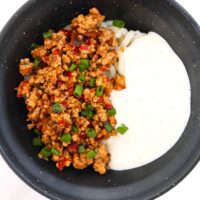
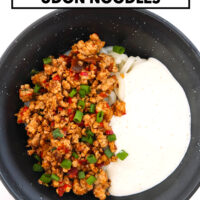
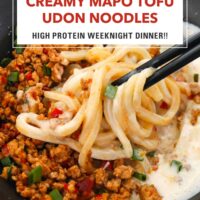
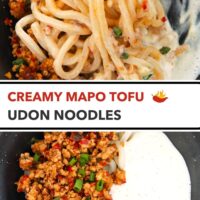
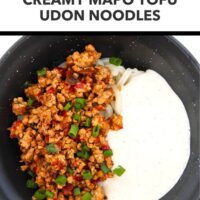
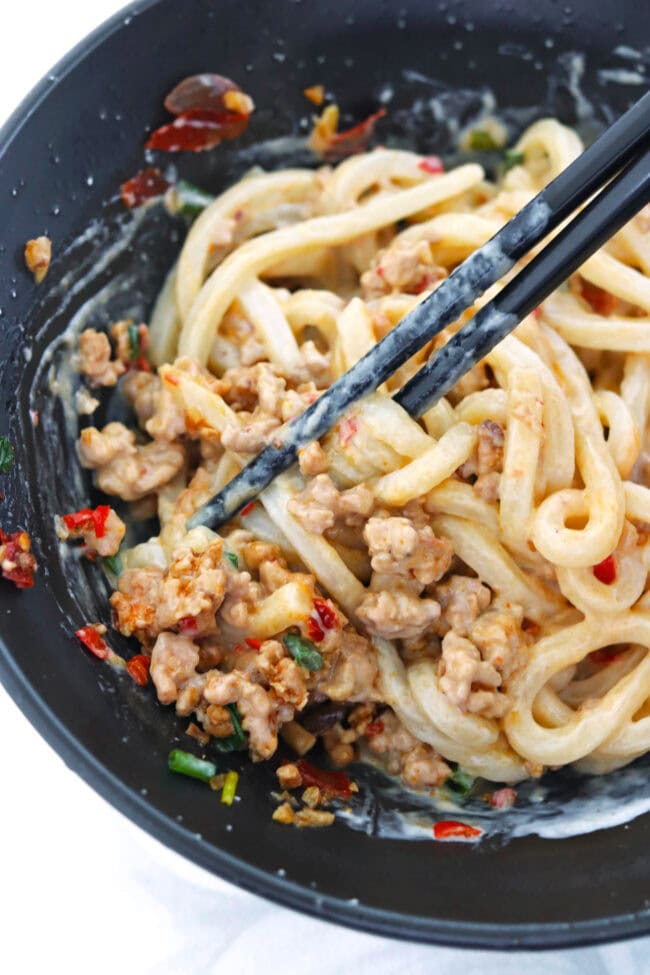
Spicy mapo-style ground pork, chewy udon noodles, and a creamy sauce made with silken tofu come together in this easy high protein dinner! This Creamy Mapo Tofu Udon Noodles dish is ready in 30 minutes, exploding with flavor, and perfect for busy weeknights!

About This Recipe
Creamy, packed with bold and spicy Sichuan flavors, and this dish involves NOODLES! I’m absolutely in love with this Creamy Mapo Tofu Udon Noodles!
I came across this viral TikTok recipe on Instagram and had to try it. It mashes up the classic Sichuan dish, mapo tofu, with chewy and slippery udon noodles. However, instead of cutting the tofu into cubes, the tofu gets blended to make a delectable silky and creamy sauce to coat the spicy pork and noodles. Pure genius if you ask me!
So to sum up, we have three components:
- A spicy pork stir-fry made with sauces and seasonings that are typically used for Sichuan mapo tofu.
- Perfectly cooked chewy udon noodles.
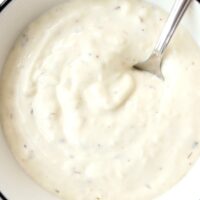
- A lightly seasoned blended silken tofu sauce.
Everything gets mixed together to make this wonderful flavor-packed dish that is 100% dairy-free!
While I’ve used lean ground pork, you can use any ground meat like lean ground beef, turkey or chicken. You can also use mushrooms and make it vegetarian if desired. As for noodles, any type of noodles or even pasta if you’re in a pinch will work!
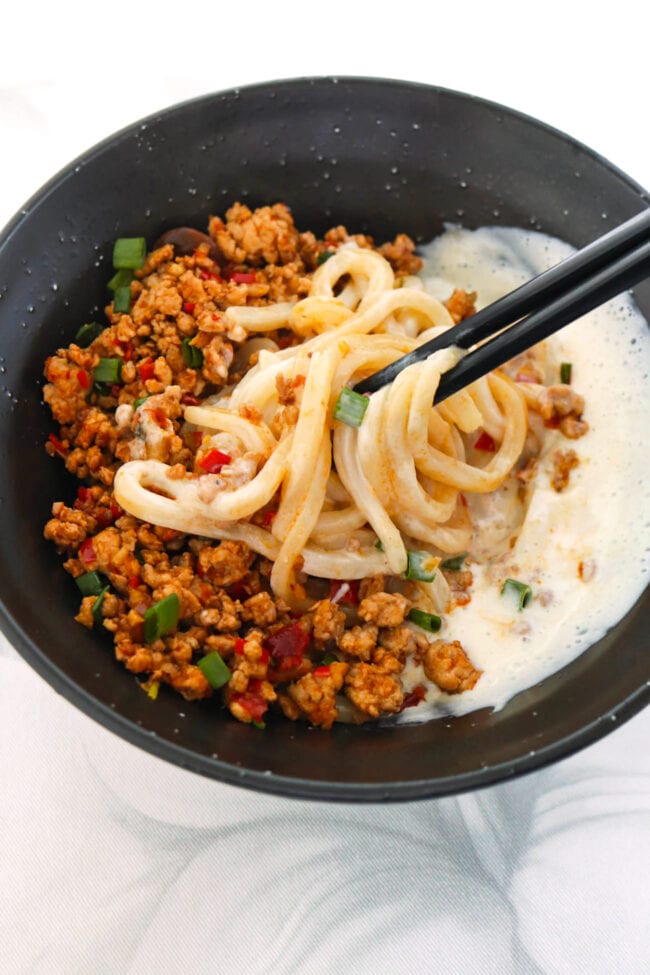
Table of contents
Why This Recipe Works
- Quick and easy to make. It’s ready in just 30 minutes, requires simple ingredients and minimal cooking, and great for busy weeknights!
- Customizable. You can use your favorite ground protein and serve with any type of veggies on the side for a complete meal.
- High Protein. The silken tofu sauce paired with lean ground pork and wheat-based noodles makes this a high protein meal with 42 grams of protein in each serving!
- Flavor explosion! For something so simple to make, this dish packs a flavorful punch and will tantalize your taste buds with tingly and spicy Sichuan flavors and creamy textures!
Ingredient Notes and Substitutes
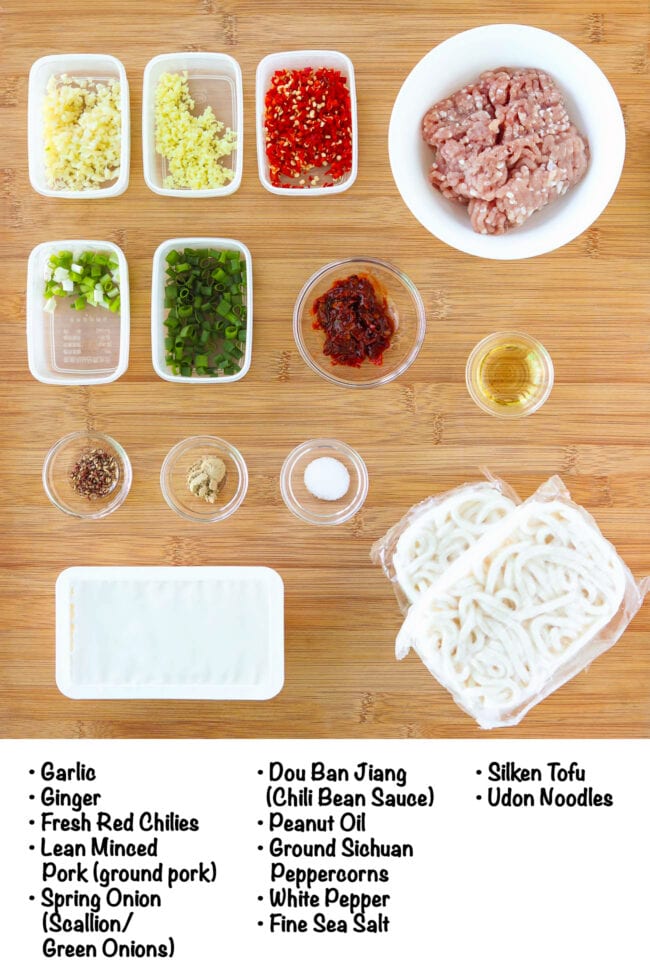
- Blended Silken Tofu Sauce: You’ll need a block of silken tofu (soft tofu), ground white pepper, and fine sea salt. If you don’t have white pepper, use black pepper.
- Aromatics: Spring onion (green onion/scallion), fresh ginger, garlic and red chilies. I used Thai Bird’s Eye red chilies you can use any variety that is easily available to you. Omit or use less for a milder dish.
- Lean Ground Pork (pork mince): Anywhere from 5% to 16% fat will work.
- Dou Ban Jiang: Also known as chili bean paste or chili bean sauce. It’s a spicy chili paste made with fermented broad beans, soybeans, chili peppers, salt and flour. Although Lee Kum Kee brand does have a chili bean paste, I highly recommend using a Sichuan Pixian dou ban jiang from Chengdu, China. You can order it online (easiest way) and find it in some Asian or Chinese supermarkets. If using Lee Kum Kee chili bean paste, adjust the quantity to taste. It is sweeter and has several other additional ingredients that authentic Sichuan Pixian dou ban jiang doesn’t. Alternatively, substitute with any type of chili sauce or paste such as sriracha and add it to the stir fry sauce instead.
- Ground Sichuan Red Peppercorns: Adds tingly, numbing citrusy flavors! While not spicy hot, it makes your tongue buzz and tingle a little. Most mainstream supermarkets will have it in the spice section. You can also find it at an Asian supermarket, Chinese market, or order them online. I buy whole Sichuan peppercorns and toast them in a dry pan or wok before grinding them in my mortar and pestle. You can also use a spice grinder to grind them into a fine powder. Transfer to a container and store in a cool dry area to use as needed for a few weeks.
- Udon Noodles: I used frozen sanuki udon noodles for this recipe. You can find them at your local Asian supermarket. They are incredibly chewy and have a wonderful bite to them! Vacuum sealed packs of pre-cooked fresh udon noodles can also be used. In a pinch, dried udon noodles will work too but note that they won’t be as chewy or bouncy as frozen or fresh udon noodles.
- Peanut Oil: Or use your preferred cooking oil.
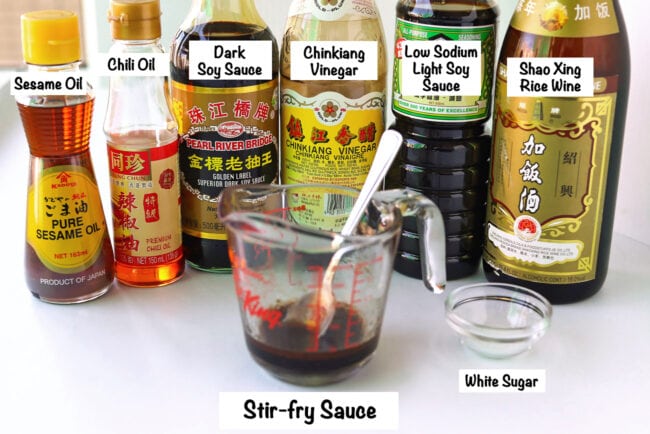
- Low Sodium Light Soy Sauce: I prefer a less salt soy sauce as it allows for better control over the salty flavors. If using regular light soy sauce, use a little less than the amount specified and substitute the rest with water.
- Dark Soy Sauce: Mainly used for color. It’s less salty than regular light soy sauce and thicker in texture. Substitute more low sodium light soy sauce if you don’t have it on hand.
- Shao Xing Rice Wine: A Chinese cooking wine with a floral aroma. It’s an Asian pantry staple used in marinades and stir-fry sauces. You can find it in most mainstream supermarkets that are well-stocked with international ingredients. Or grab a bottle at an Asian grocery store or online. Substitute with dry sherry if unavailable or chicken broth if you prefer not to cook with alcohol.
- Chinkiang Vinegar: A Chinese black vinegar. Substitute with half balsamic vinegar and white rice vinegar if unavailable.
- Pure Chili Oil: A chili oil without seeds or flakes (sediment) but is made from hot red chilies. Substitute with chili oil with sediment if desired. You may want to use less fresh red chilies depending on how spicy your chili oil is.
- Toasted Sesame Oil: Adds a hint of fragrant sesame aroma and flavor.
- White Sugar: To balance the heat. Or use any other sweetener of your choice.
Creamy Mapo Tofu Udon Noodles
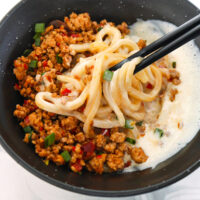
Spicy mapo-style ground pork, chewy udon noodles, and a creamy sauce made with silken tofu come together in this easy high protein dinner! This Creamy Mapo Tofu Udon Noodles dish is ready in 30 minutes, exploding with flavor, and perfect for busy weeknights!
- Prep Time: 15
- Cook Time: 15
- Total Time: 30 minutes
- Yield: 2 1x
- Category: Dinner
- Method: Sauté
- Cuisine: Chinese
Ingredients
Stir-fry Sauce:
- 2 teaspoons Low Sodium Light Soy Sauce
- ½ teaspoon Dark Soy Sauce (for color)
- 2 teaspoons Shao Xing Rice Wine (substitute with dry sherry)
- 2 teaspoons Chinkiang Vinegar
- ½ teaspoon Pure Chili Oil (without sediment/flakes seeds), to taste
- 1 teaspoon Toasted Sesame Oil
- ½ teaspoon White Sugar
Creamy Tofu Sauce:
- 12–12.34 ounces / 340-350 grams block Silken Tofu (soft tofu)
- ½ teaspoon ground White Pepper
- ½ teaspoon Fine Sea Salt
Mapo Pork Stir-fry:
- 1 medium stalk / 10-15 grams Spring Onion (Scallion/Green Onions) – finely chopped, white and light green parts separated from dark green parts
- 2 tablespoons / 10 grams Ginger – minced
- 4–5 cloves / 20 grams Garlic – minced
- 2–6 pieces / 6-18 grams fresh Red Chilies (optional – I used Thai Bird’s Eye red chilies but any variety will work, omit for milder dish) – finely chopped
- 1–2 tablespoons / 18-36 grams Dou Ban Jiang, to taste (Chili Bean Paste)
- 14–17.6 ounces (2 packs) / 400-500 grams frozen Udon Noodles
- 2 teaspoons Peanut Oil, for cooking
- 8.8 ounces / 250 grams Lean Ground Pork (pork mince)
- ½ teaspoon ground Sichuan Red Peppercorns
Instructions
Prep:
- Make the stir-fry sauce: Whisk together the low sodium light soy sauce, dark soy sauce, Shao Xing rice wine, Chinkiang vinegar, chili oil, sesame oil and white sugar in a small measuring cup (for easier pouring) or bowl until combined well.
- Prepare all the fresh ingredients: Prepare the spring onion, ginger, garlic, and fresh red chilies (if using) as indicated in the ‘ingredients’ section.
Creamy Mapo Tofu Noodles:
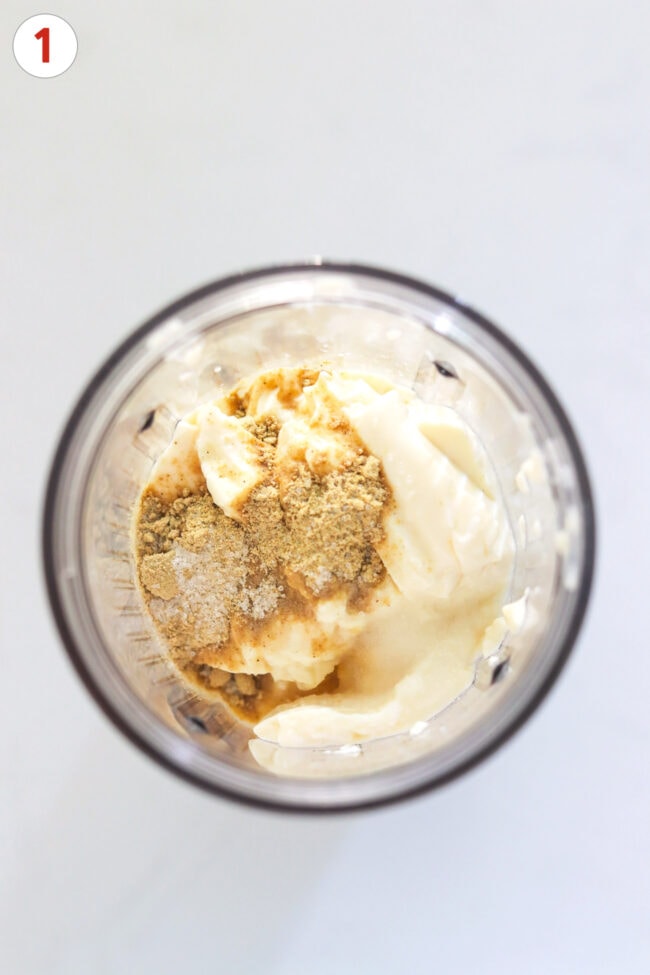
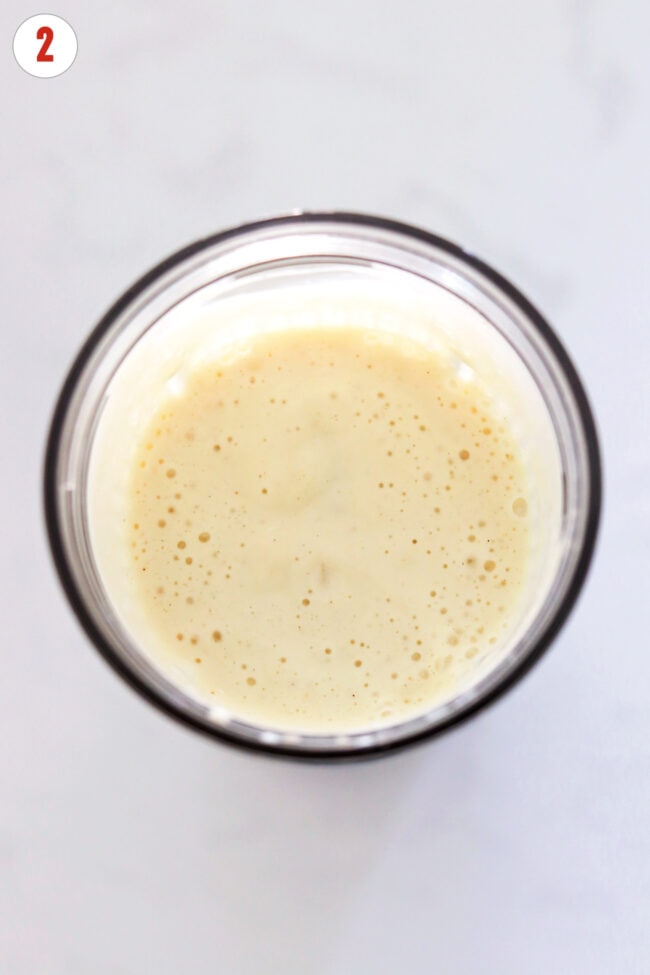
- Blend the tofu: Drain the liquid from the block of silken tofu. Combine the tofu, white pepper and sea salt in a small blender and blend until smooth and creamy. Set aside for later.
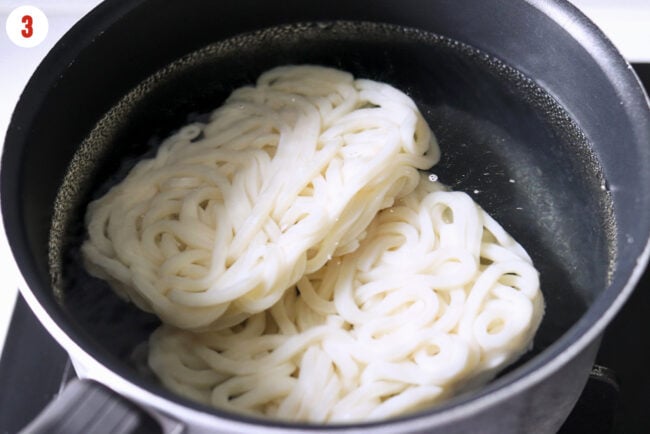
- Cook the noodles: Bring a pot of water to a boil. Once rapidly boiling, lower the heat and add the udon noodle cakes. Use tongs to gently shake the noodle cakes until the strands loosen and soften – about 1 minute. (If using fresh udon, vacuum sealed packs or dried udon noodles, cook according to package instructions.) Drain well, then divide evenly into two bowls.
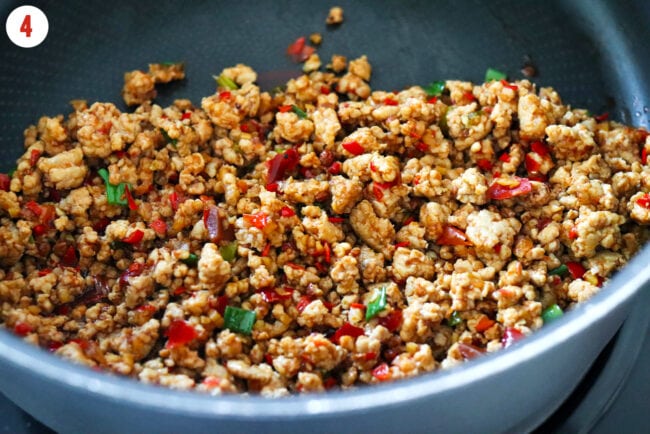
- Make the mapo-style stir-fried pork: Heat 2 teaspoons peanut oil in a medium deep edged skillet or sauté pan over medium-high heat. Add the spring onion white and light green parts and ginger. Stir-fry for 20 seconds. Add the garlic and chilies and stir-fry for 20 seconds until fragrant. Add the dou ban jiang and mix to combine. Add the ground pork and ground Sichuan peppercorns. Cook for 2 minutes, breaking up the clumps with your spatula until no longer pink. Pour in the stir-fry sauce and mix well for 1 minute to combine. Stir through most of the spring onion dark green parts and switch off the heat.
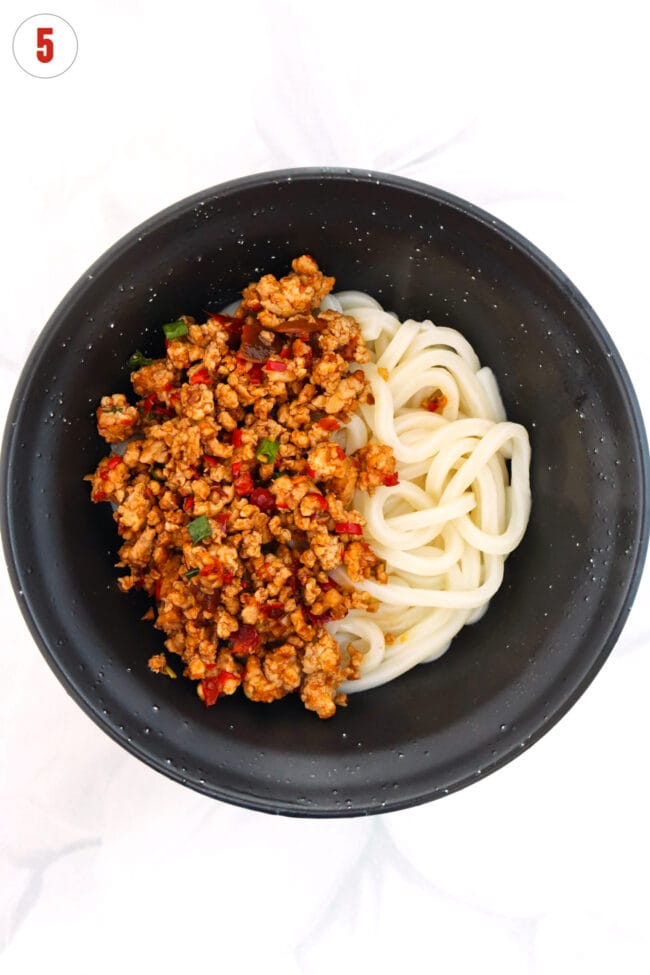
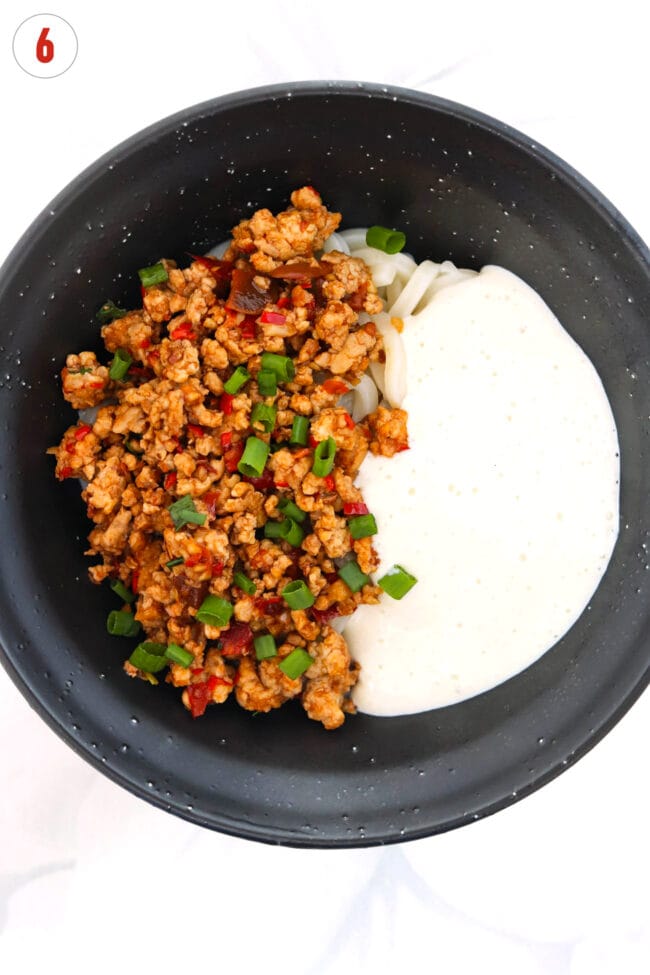
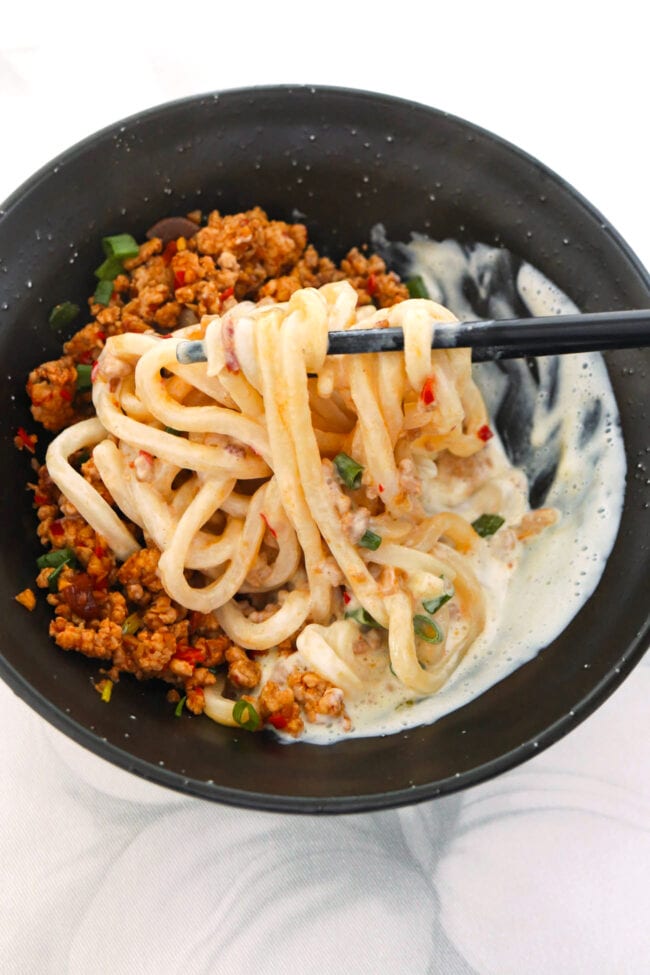
- Serve: Top the pork stir-fry and silken tofu sauce evenly into two noodle bowls. Garnish with the reserved spring onion green parts and serve immediately.


Notes
- Storing and reheating. While these creamy mapo tofu noodles taste best when freshly cooked, leftovers (combined noodles with tofu sauce and pork) can be stored in an airtight sealed container in the fridge for 3-4 days. Reheat on high in the microwave for 2-3 minutes, stirring halfway through, until hot throughout.
- Be sure to check out the full article section for tips and ideas on how to customize this recipe for specific dietary needs and flavor preferences!
Nutrition
- Serving Size: 1/2 of recipe
- Calories: 702
- Sugar: 3.9g
- Sodium: 2438mg
- Fat: 28.7g
- Saturated Fat: 6.2g
- Unsaturated Fat: 22.5
- Trans Fat: 0g
- Carbohydrates: 67.5g
- Fiber: 2.8g
- Protein: 41.9g
- Cholesterol: 83.7mg
Looking for more easy high protein noodles recipes? Try my Sichuan Pork and Broccoli Noodles, this Spicy Peanut Butter Noodles, or Easy Char Siu Pork Noodles next!
Keep in Touch!
Subscribe to get new posts via email:
Cook’s Tips
- Use frozen sanuki udon noodles. I highly recommend seeking them out as they have an incredible firm and bouncy texture but are also wonderfully slippery and smooth! Other varieties like Inaniwa udon noodles are thin and silky but not bouncy. If you want amazing thick and chewy noodles, definitely try to find frozen sanuki udon noodles at your local Asian supermarket.
- Adjust the spice level to your preference. Use more or less fresh red chilies and chili oil to tailor this dish to your heat level preference. You can leave them out completely for a milder dish. You can also use a little less dou ban jiang.
- Double the recipe. This recipe makes two generous adult-sized servings but can be doubled to serve four. Click the ‘2x’ button in the recipe card below to display double the ingredient amounts to make 4 servings.
How to Make Creamy Mapo Tofu Udon Noodles – Step-by-Step
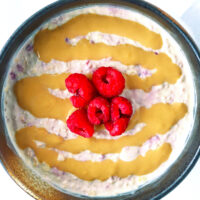
Add tofu and seasonings to blender and blend until smooth and creamy (image 1 and 2). Next, cook the udon noodles in a pot of boiling water (image 3). Drain well and divide evenly into two bowls.
Now make stir-fried mapo pork (image 4). Heat peanut oil in a skillet or sauté pan. Stir-fry the spring onion white and light green parts, ginger, garlic and chilies until fragrant. Mix in the dou ban jiang, then add the ground pork and ground Sichuan peppercorns. Cook, breaking up the clumps with your spatula until the pork is cooked through. Pour in the stir-fry sauce and mix well to combine. Lastly, stir through most of the spring onion dark green parts.
Now it’s time to bring it all together! Top the noodle bowls evenly with the pork stir-fry (image 5) and divide the silken tofu sauce in each bowl (image 6). Garnish with the reserved spring onion and enjoy!
Serving Suggestions
I like to eat this with boiled and lightly salted baby bok choy, but any type of cooked leafy Asian greens you love would add fiber and nutrients to make this creamy mapo tofu udon noodles a well-balanced meal.
You can also top with toasted sesame seeds for added crunch and texture. If you like it spicy, drizzle your favorite chili oil, chili crisp or chili crunch on top before mixing and eating!
Storing and Reheating Leftovers
- Storing: While these creamy mapo tofu noodles taste best when freshly cooked, leftovers (combined noodles with tofu sauce and pork) can be stored in an airtight sealed container in the fridge for 3-4 days.
- Reheating: Reheat on high in the microwave for 2-3 minutes, stirring halfway through, until hot throughout.
Variations
Dietary Modifications:
- Gluten-free. Use a soy sauce (or tamari or coconut aminos), dry sherry instead of Shao Xing rice wine, a half and half mixture of balsamic vinegar and white vinegar for the Chinkiang vinegar, and Youki Sichuan Doubanjiang which is made without flour. Also, use gluten-free noodles such as rice noodles or brown rice udon noodles instead of wheat-based udon noodles. Soba noodles made out of 100% buckwheat would also be tasty with its nutty flavor.
- Vegetarian/Vegan. Use a plant-based ground meat substitute instead of pork. Or use crispy pan-fried tofu cubes, tempeh, or seitan instead. You could also any kind of mushrooms instead Diced oyster mushrooms have a nice meaty texture and would work well in this dish.
Flavor/Preference Customizations:
- Use a different protein. Lean ground chicken, turkey, or beef would all taste great!
- Serve with veggies. Sautéed, steamed or boiled baby bok choy, bean sprouts, Chinese cabbage (Napa cabbage), snap peas, snow peas, green beans, blanched broccoli florets, etc.
- Add peanut butter. Because creamy peanut butter tastes fantastic in Asian noodle recipes with Sichuan peppercorns! Check out my Spicy Dan Dan Noodles if you love peanut noodles! You could also use almond butter instead if you have a peanut allergy or Chinese white sesame paste.
- Use a different spicy sauce. Switch out the dou ban jiang for sambal oelek, gochujang, sriracha or a chili garlic sauce.
- Use different noodles. Egg noodles, wheat-based Shanghai noodles, ramen noodles, hokkien noodles, lo mein noodles, buckwheat noodles (soba noodles), or any type of Chinese, Japanese or Korean wheat noodles. Noodle-type pasta such as linguini, fettuccine, spaghetti or bucatini can be used in a pinch!
FAQs
Soft silken tofu works really well to make a protein-packed smooth and creamy sauce. However, medium or firm tofu should work too.
Yes! Since the tofu is already cooked during processing, it’s perfectly safe to eat it in this noodles dish. The only concern would be flavor since tofu is a little bland on its own. However, since we’re pairing the sauce with the spicy mapo-style pork, the sauce soaks up a ton of flavor and isn’t bland at all!
Sichuan pixian dou ban jiang is spicy but if you prefer a milder flavor, you can use Lee Kum Kee’s chili bean sauce instead.
You can use it to make a creamy sauce for pasta and other creamy noodles dishes. Check out my Creamy Kimchi Chicken Udon Noodles which is also made with a silken tofu sauce and packed with protein! You can also thicken up smoothies with tofu and make lighter and high protein creamy desserts like chocolate mousse.
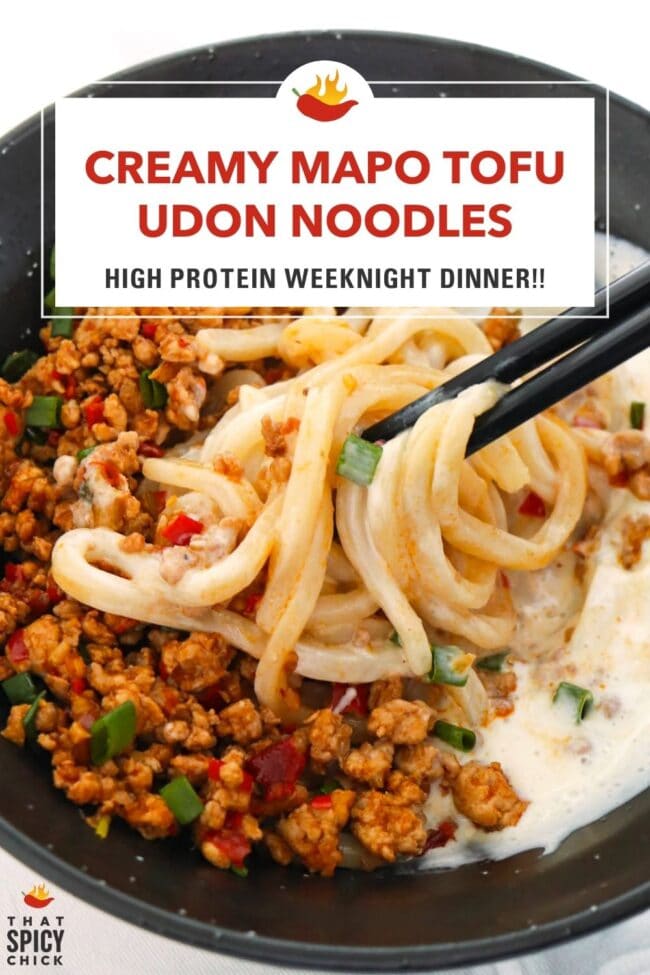
“Pin It” for Later! Save ‘Creamy Mapo Tofu Udon Noodles’ to make later!
More Creamy Udon Noodles


MADE THIS RECIPE? Please leave a comment and a ⭐️⭐️⭐️⭐️⭐️ star rating below and let me know how you liked it! You can also take a photo and tag it with @thatspicychick on Instagram and hashtag it #thatspicychick. I love seeing your creations!
STAY CONNECTED! You can also follow me on Pinterest, Facebook or Instagram.
Sign up for my email list to get my latest recipe in your inbox weekly!
This post may contain affiliate links. We are a part of the Amazon Services LLC Associates Program, an affiliate advertising program designed to provide a means for us to earn a small commission (at no extra cost to you) by linking to Amazon.com and affiliated sites. The nutritional information provided is approximate and can vary based on several factors. It should only be used as a general guideline. For more information, please see our Disclosure.